

Scented Candle Making Business in India: Cost & Profit Guide
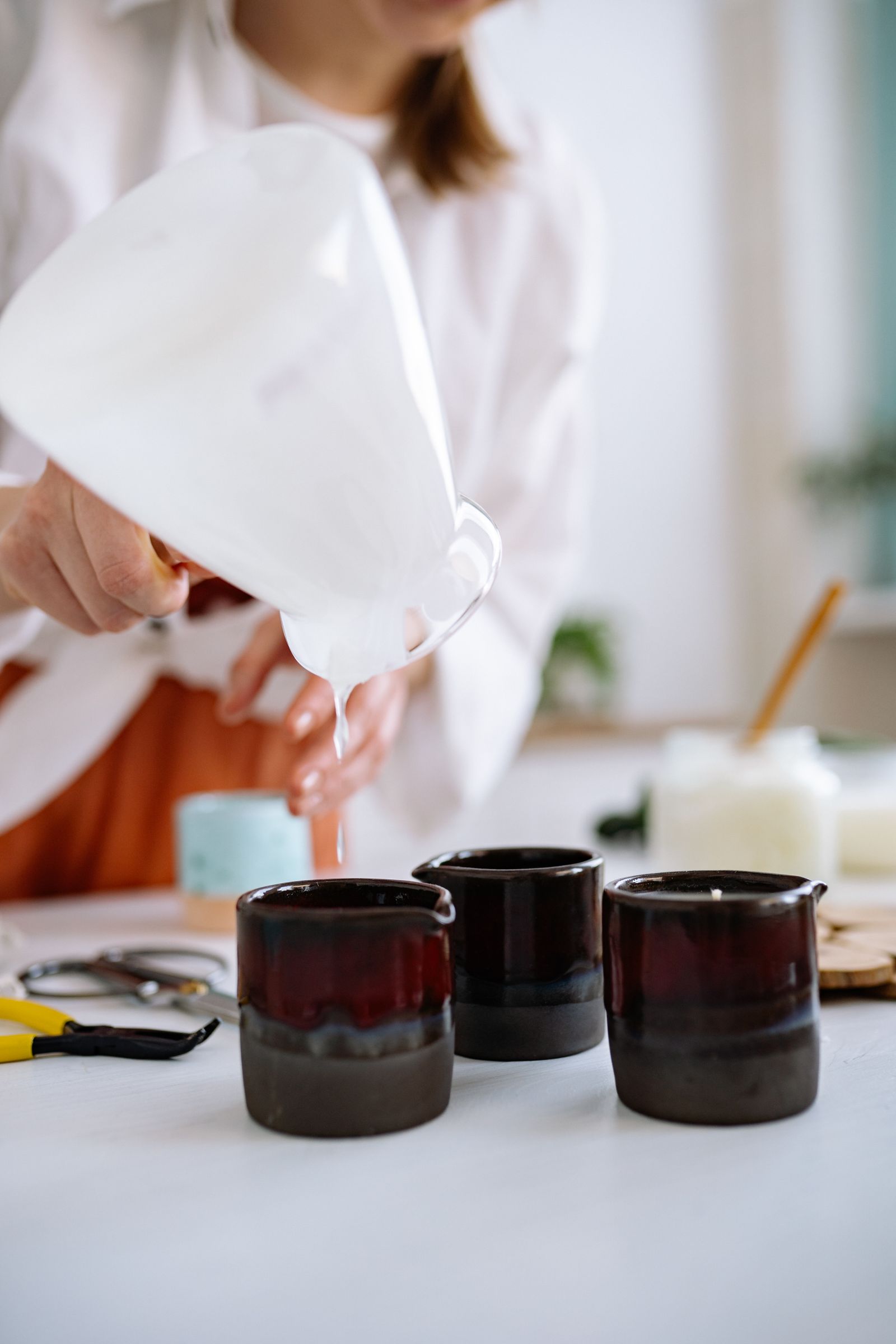
A scented candle making business in India can be started for as little as ₹10,000–₹25,000 from home, using wax, fragrance oil, wicks and glass jars sourced from local wholesale markets. With a 25–50% retail markup and growing demand for gifting, décor and aromatherapy products, most home-based makers reach breakeven within 2–4 months of consistent selling. This guide walks through real costs, the candle-making process, pricing math, licensing, and where to actually sell. If you haven't yet, start with our broader candle making business guide for India for the full foundational plan.
What Is a Scented Candle Making Business?
A scented candle making business involves melting wax, blending it with fragrance oils at a controlled ratio, and pouring it into containers around a centred wick to sell as home décor, gifting, or aromatherapy products. It can be run from a kitchen table with under ₹15,000 in starting materials, or scaled into a small production unit supplying retailers and corporate gifting clients.
Unlike plain utility candles, scented candles sell at a premium because buyers are paying for fragrance experience, packaging, and branding as much as the wax itself. That premium is exactly why this niche is more profitable than basic candle-making if you get the fragrance ratio and packaging right.
How Much Does It Cost to Start a Scented Candle Business in India?
Expect to spend ₹10,000–₹25,000 for a home-based scented candle setup, ₹25,000–₹75,000 for a semi-professional one with better equipment and branding, and ₹75,000–₹1.5 lakh for a small production unit aimed at wholesale or marketplace volumes. The biggest swing factor is fragrance oil quality and container choice, not the wax itself.
Home-based starter (₹10,000–₹25,000)
Covers a basic melting pot, a digital scale, a few kilos of wax, fragrance oils, cotton wicks, and 40–50 glass jars or tins. This is enough to test 3–4 scent profiles and sell through Instagram, WhatsApp, and local markets before you invest further.
Semi-professional setup (₹25,000–₹75,000)
Adds a double-boiler or wax melter, proper curing racks, branded labels and boxes, a wider fragrance library, and enough raw material to run 200–300 candle batches. Many sellers fund this stage with a Mudra loan once they have a few months of sales data.
Small production unit (₹75,000–₹1.5 lakh)
Brings in bulk wax purchasing, multiple pouring stations, proper ventilation and fire safety equipment, and inventory for marketplace fulfilment (Amazon, Flipkart, Meesho) or corporate gifting orders. At this scale, Udyam/MSME registration becomes worth doing for priority lending and PMEGP eligibility.
Raw material cost breakdown for a 50-candle test batch
A realistic 50-candle batch (100g jar candles) costs roughly ₹7,000–₹8,500:
- Wax (paraffin ₹90–150/kg, soy ₹280–450/kg, beeswax ₹500–700/kg) – 5kg: ₹1,400–2,500
- Fragrance oil (6–10% of wax weight) – 400–500ml: ₹1,200–2,000
- Cotton wicks, 50 pieces: ₹250–500
- Glass jars or tins, 50 units: ₹2,500–3,500
- Dyes, stearic acid, labels and packaging: ₹800–1,500
Sadar Bazar in Delhi, Crawford Market in Mumbai, and wholesale traders in Surat are common sourcing hubs for wax, wicks, and containers at these rates. For a wider list of vetted suppliers and bulk pricing, see our guide to candle making wholesale suppliers in India.
Equipment You Need for Scented Candle Making
You need five core tools to start: a melting pot or double boiler, a pouring pitcher, a digital scale, a thermometer, and wick-centering tools. Together these cost ₹1,500–5,000 and are reusable across hundreds of batches, so they're a one-time cost rather than a recurring one.
- Melting pot or double boiler: ₹500–2,000
- Pouring pitcher: ₹300–800
- Digital scale (for accurate fragrance ratios): ₹500–1,500
- Candy/wax thermometer: ₹200–600
- Wick-centering tools and curing racks: ₹300–1,000
Keep a fire extinguisher and a heat-resistant work surface on hand from day one — melted wax above 80°C is flammable, and insurers and local fire departments increasingly ask small manufacturers to show basic safety equipment once they scale past home use.
How to Make Scented Candles: Step-by-Step Process
Making a scented candle takes five steps: melt the wax, add fragrance and dye at the right temperature, secure the wick, pour and cool, then trim and cure. Getting the fragrance ratio and pour temperature right is what separates a candle that smells good on the shelf from one that loses its scent after a week.
- Melt the wax slowly, keeping it below 80°C (176°F) to avoid discolouration or fragrance breakdown.
- Add fragrance oil once melted, at 6–10% of total wax weight, plus dye if used. Stir gently for even distribution.
- Add stearic acid (optional, 3–5g per 100g wax) for a stronger scent throw and a smoother finish, especially with paraffin.
- Secure the wick at the centre of the container using a centering tool, then pour the wax at the manufacturer-recommended temperature (usually 55–65°C).
- Cool, trim and cure – let the candle set for several hours, trim the wick to about ¼ inch, and let scented candles cure for 1–2 weeks before selling for the fullest scent throw.
Test at least 15–20 candles per new scent before you sell it commercially — burn each one fully to check for tunnelling, soot, and whether the fragrance holds up through the whole burn.
Pricing and Profit Margins for Scented Candles
Most scented candle sellers in India price at a 3x markup over production cost, which typically yields a 30–45% net profit margin after packaging, platform fees, and shipping. A candle that costs ₹80 to produce commonly retails between ₹220 and ₹280.
A typical cost breakdown for one 100g scented jar candle:
- Raw materials (wax, fragrance, wick): ₹50–60
- Labour and overhead: ₹10–15
- Packaging, label, box: ₹15–25
- Production cost: ₹75–100
- Typical retail price (2.5–3.5x markup): ₹220–300
Margins shrink on marketplaces once you factor in Amazon/Flipkart/Meesho commissions (often 10–25%) and return rates, so direct channels like Instagram, WhatsApp Business, and local markets usually protect margin better in the first year. Keep packaging costs under roughly 15% of retail price to avoid eating into profit.
Licensing and Registration Requirements
A home-based scented candle business can legally start as a sole proprietorship with no special licence. You only need GST registration once turnover crosses the standard threshold of ₹40 lakh a year for goods sellers (₹20 lakh in special category states) — though marketplaces like Amazon and Flipkart typically require a GSTIN regardless of turnover before they'll list you.
Udyam (MSME) registration is free, takes about 15 minutes online via the official Udyam Registration portal, and opens access to collateral-free loans, priority sector lending, and PMEGP subsidy eligibility if you later set up a small manufacturing unit. GST registration itself is handled through the GST portal. If you want to tap government subsidy schemes specific to candle manufacturing, our candle making subsidy schemes guide covers PMEGP margin money and Mudra loan eligibility in detail.
A local trade licence from your municipal corporation may be needed once you move from a home kitchen to a dedicated unit, and a Pollution Control Board NOC only becomes relevant if you scale into large-batch manufacturing with significant wax-melting capacity.
Which Wax Should You Use for Scented Candles?
Soy wax holds fragrance oil best and burns cleaner, making it the top choice for premium scented candles, while paraffin is cheaper and gives the strongest initial scent throw, and beeswax is a natural, long-burning option at a higher price point. Most Indian sellers start with a soy-paraffin blend to balance cost and scent performance before settling on one wax as they find their niche.
For a full cost and profitability comparison across all three waxes, see our detailed breakdown: Soy vs Paraffin vs Beeswax Candles: Which Is More Profitable?
Where to Sell Scented Candles in India
The fastest-selling channels for scented candles are Instagram and WhatsApp Business for direct-to-customer sales, followed by Amazon, Flipkart, and Meesho for marketplace reach, and local craft fairs or festive markets for high-margin, cash-in-hand sales around Diwali and wedding season. Corporate gifting is the highest-ticket channel once you have consistent quality and packaging.
For channel-by-channel pricing, platform commission rates, and how to pitch corporate gifting clients, read our full guide on how to sell handmade candles online in India, and for packaging that helps candles stand out on a shelf or in an unboxing video, see our candle packaging and branding ideas guide.
Common Mistakes to Avoid
The most common mistake new candle makers make is skipping the cure time — selling a scented candle within a day or two of pouring, before the fragrance has fully bonded with the wax, which leads to weak scent throw and disappointed repeat buyers. The second most common mistake is underpricing out of fear of competition, which leaves no room to absorb marketplace fees or return costs.
Other frequent errors: using too little fragrance oil (under 6% often means barely-there scent once burning), skipping burn tests before selling a new jar size, and not including burn-time and safety instructions on labels — a basic requirement most sellers overlook that also builds buyer trust.
Frequently Asked Questions
What is the minimum investment to start a scented candle business in India?
You can start a home-based scented candle business with ₹10,000–₹25,000, covering a melting pot, digital scale, wax, fragrance oils, wicks, and 40–50 containers. This is enough to test a few scent profiles and sell locally before scaling up equipment or inventory.
How much fragrance oil should I use in scented candles?
Use fragrance oil at 6–10% of the total wax weight for a noticeable scent throw without weakening the wax structure. Soy wax typically holds fragrance better at the lower end of that range, while paraffin often needs closer to 8–10% for the same strength.
Is GST registration required for a small candle making business?
GST becomes legally mandatory once annual turnover crosses ₹40 lakh for goods sellers (₹20 lakh in special category states). However, most online marketplaces require a GSTIN to list products regardless of turnover, so many small sellers register early anyway.
What profit margin can I expect from handmade scented candles?
Most sellers earn a 30–45% net profit margin after materials, packaging, and platform fees, using roughly a 2.5–3.5x markup over production cost. A candle costing ₹80 to make typically retails between ₹220 and ₹300 depending on the channel.
Which wax is best for scented candles: soy, paraffin, or beeswax?
Soy wax generally holds fragrance best and burns cleanest, paraffin gives the strongest scent throw at the lowest cost, and beeswax burns longest but costs the most. Many Indian sellers start with a soy-paraffin blend before specialising in one wax type.
Ready to turn this into a real plan with detailed cost sheets, supplier lists, and a step-by-step 90-day launch roadmap? Our Candle Making Business eBook walks you through sourcing, pricing, and scaling a scented candle brand in India for just ₹399.