

Hydroponics vs Traditional Farming: Which Is More Profitable?
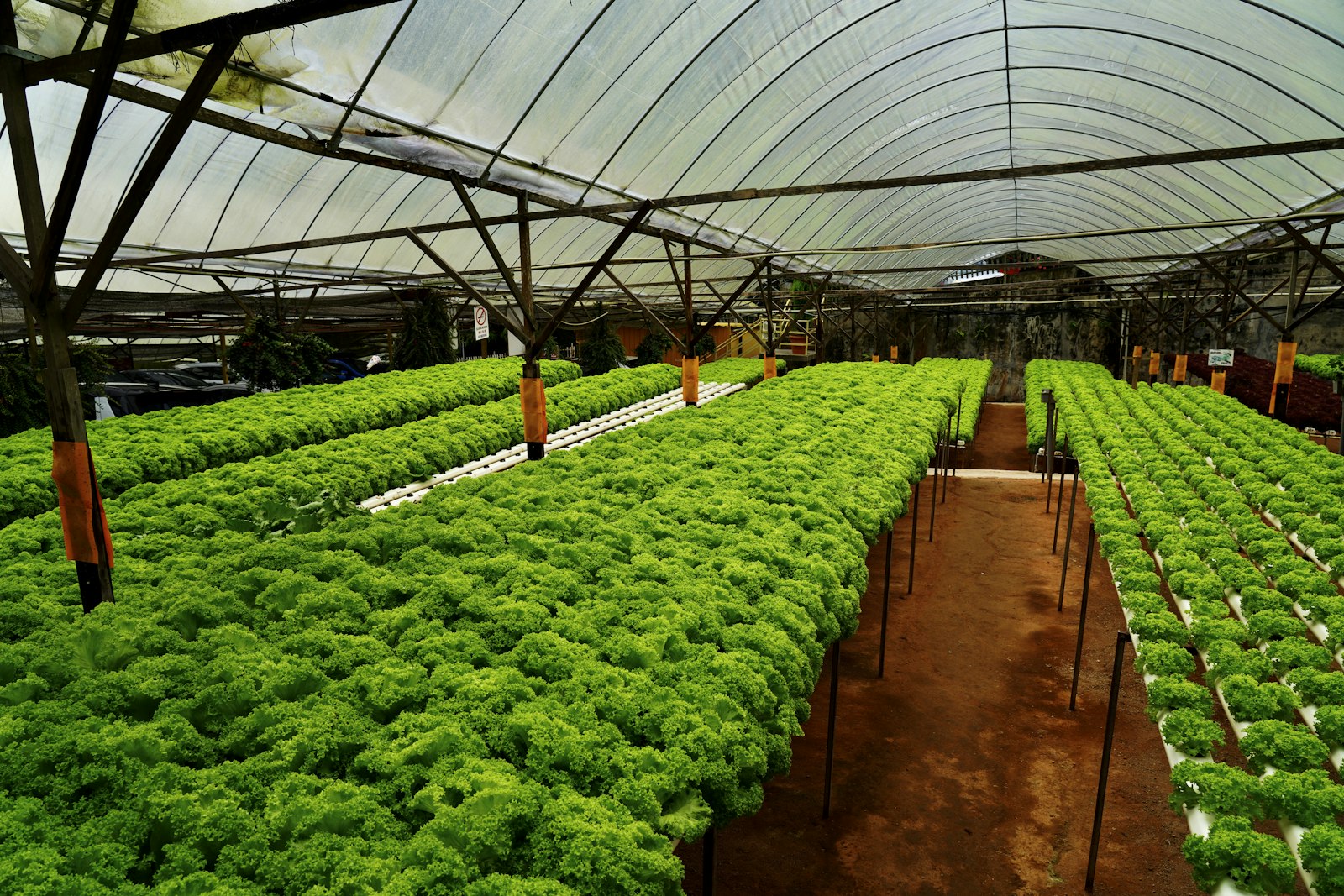
If you've been comparing hydroponics vs traditional farming to decide where to put your money in 2026, here's the short answer: hydroponics usually wins on profit per square foot, but traditional farming still wins on lower entry cost and simplicity. Which one is "more profitable" for you depends on your land, your budget, and which crop you plan to grow. This guide breaks down the real numbers so you can decide with your eyes open, not guesswork — and if you haven't seen our full Hydroponic Farming Business in India cost & profit guide yet, it's worth reading alongside this comparison.
What Is the Real Cost Difference Between Hydroponics and Traditional Farming?
Hydroponics needs a bigger cheque upfront but a smaller running budget after that; traditional farming needs a smaller cheque upfront but keeps costing you every season. A basic low-cost NFT or Dutch-bucket hydroponic setup in India runs roughly ₹150–₹400 per sq ft, while a climate-controlled polyhouse hydroponic unit for commercial leafy greens can cost ₹800–₹1,500 per sq ft, including structure, grow trays, pumps, and a nutrient dosing system.
Traditional open-field vegetable farming, by contrast, needs far less capital to start — typically ₹20,000–₹45,000 per acre per season for seeds, fertiliser, irrigation, and labour — but that amount repeats every single cropping cycle, and you also need to either own or lease land, which is its own recurring or one-time cost depending on your region. On a per-square-foot basis over 3–4 years, many small hydroponic growers report their total cost of production evening out or dropping below traditional farming once the setup is paid off, because hydroponics saves heavily on labour, weeding, and wasted seedlings.
How Do Yields and Water Usage Compare Between the Two Methods?
Hydroponics generally delivers 2–3 times more yield from the same area and uses dramatically less water than soil-based farming, because nutrients go straight to the root zone instead of soaking into and evaporating from soil. Traditional farming spreads that same water and nutrient load across a much larger, less controlled area.
According to Invest India, the national investment promotion agency, hydroponically grown crops can use meaningfully less water than field-grown crops of the same type, and industry data from commercial hydroponic farms in India puts water savings anywhere from 80–90% for leafy greens grown in recirculating systems. Growth cycles are also faster in hydroponics — many leafy greens and herbs mature 30–50% quicker than their soil-grown counterparts because there's no competition from weeds and no time lost waiting for roots to search out nutrients in soil.
Which Crops Are Actually More Profitable in Each System?
Hydroponics makes the most financial sense for high-value, fast-turnover crops like lettuce, spinach, basil, mint, strawberries, and capsicum — crops where restaurants, hotels, and quick-commerce grocery apps pay a premium for consistent quality and pesticide-free produce. Traditional farming still makes more sense for bulk, low-margin staples.
Crops like wheat, paddy, sugarcane, and most pulses simply don't generate enough revenue per square foot to justify hydroponic infrastructure costs — you'd need acres of tightly packed grow trays to match what one acre of traditional wheat farming produces at a fraction of the setup cost. As a rule of thumb: if your target crop sells by the kilogram at a premium price to urban buyers, hydroponics can out-earn traditional farming on the same footprint; if it sells in bulk at commodity prices, traditional open-field or contract farming remains the more profitable route. For a deeper look at which crops perform best, see our guide on the best crops to grow in hydroponics for profit in India.
What Hidden Costs and Risks Should You Budget For?
Every hydroponic system has an electricity bill and a breakdown risk that traditional farming simply doesn't — pumps, aerators, and climate control run on power, and a multi-hour outage without backup can damage or kill an entire crop cycle. Traditional farming's biggest hidden costs are monsoon dependency, soil-borne disease, and rising labour and diesel prices.
Budget an extra 8–12% of your setup cost for a backup inverter or generator if you go hydroponic, plus ongoing costs for nutrient solutions (roughly ₹3,000–₹6,000 per month for a small 500 sq ft unit) and basic technical training, since hydroponic crops fail fast if pH or EC levels drift unnoticed. Traditional farmers, meanwhile, should budget for crop insurance, pest control, and at least one bad monsoon season in their financial planning — unpredictable weather remains the single biggest profit-killer in open-field farming across India.
So Which Model Actually Delivers Better ROI in India?
For small plots near cities, hydroponics usually delivers faster and higher ROI because urban and peri-urban land is expensive and premium buyers are close by; for larger rural landholdings growing staple crops, traditional farming remains more practical and profitable per rupee invested. Most successful small entrepreneurs in India actually use both — traditional methods for bulk crops on family land, and a small hydroponic unit on the side for high-margin greens sold directly to local buyers.
Urban and peri-urban hydroponic growers with a 300–1,000 sq ft setup and a steady buyer for greens often report breakeven within 12–18 months, with net margins of 25–40% once the system is running smoothly. Traditional vegetable farming, while cheaper to start, typically runs on thinner net margins of 10–20% after accounting for labour, inputs, and weather losses, but scales more easily across large acreage without proportionally higher management effort.
If you're registering your setup as a formal small business, getting Udyam registration opens the door to MSME subsidies, priority-sector loans, and schemes like PMEGP or Mudra that can offset a meaningful chunk of your hydroponics setup cost — something worth exploring before you finalise your budget either way.
Ready to Build Your Own Hydroponics Business Plan?
Numbers on a blog post are useful for comparison, but a real business plan needs your specific crop, city, and budget worked into the model. Our Hydroponics Farming Business ebook walks through complete setup costs, crop selection, month-by-month profit projections, and where to sell your produce in India — for just ₹399, it can save you months of trial-and-error research before you spend a single rupee on equipment.
Frequently Asked Questions
Is hydroponics more profitable than traditional farming in India?
For high-value crops like leafy greens, herbs, and strawberries grown on small urban or peri-urban plots, hydroponics is usually more profitable per square foot. For bulk staple crops like wheat, rice, or sugarcane grown on larger land, traditional farming remains more practical and cost-effective overall.
How much does a small hydroponic setup cost compared to traditional farming?
A basic hydroponic setup costs roughly ₹150–₹1,500 per sq ft depending on the system type, paid mostly upfront. Traditional farming costs far less to start, around ₹20,000–₹45,000 per acre per season, but that cost repeats every cropping cycle rather than being a one-time investment.
Which crops give the best returns in hydroponics in India?
Lettuce, spinach, basil, mint, strawberries, and capsicum give the best hydroponic returns because they're fast-growing, sell at a premium to urban buyers, and don't need large volumes to be profitable. Low-value bulk crops rarely justify the hydroponic infrastructure cost.
Can I get a loan or subsidy for a hydroponic farming business in India?
Yes. After completing Udyam registration for your business, you can apply for MSME-linked schemes such as PMEGP or a Mudra loan, both of which offer subsidised or collateral-free credit that can cover a significant share of your hydroponic setup cost.
Is hydroponics harder to manage than traditional farming for a beginner?
Hydroponics has a steeper initial learning curve around pH, EC levels, and equipment maintenance, but once systems are stable, day-to-day work is often less physically demanding than traditional farming. Traditional farming is easier to start with basic knowledge but depends heavily on weather and manual labour.