

Hydroponics Farming Subsidy Schemes in India (2026 Guide)
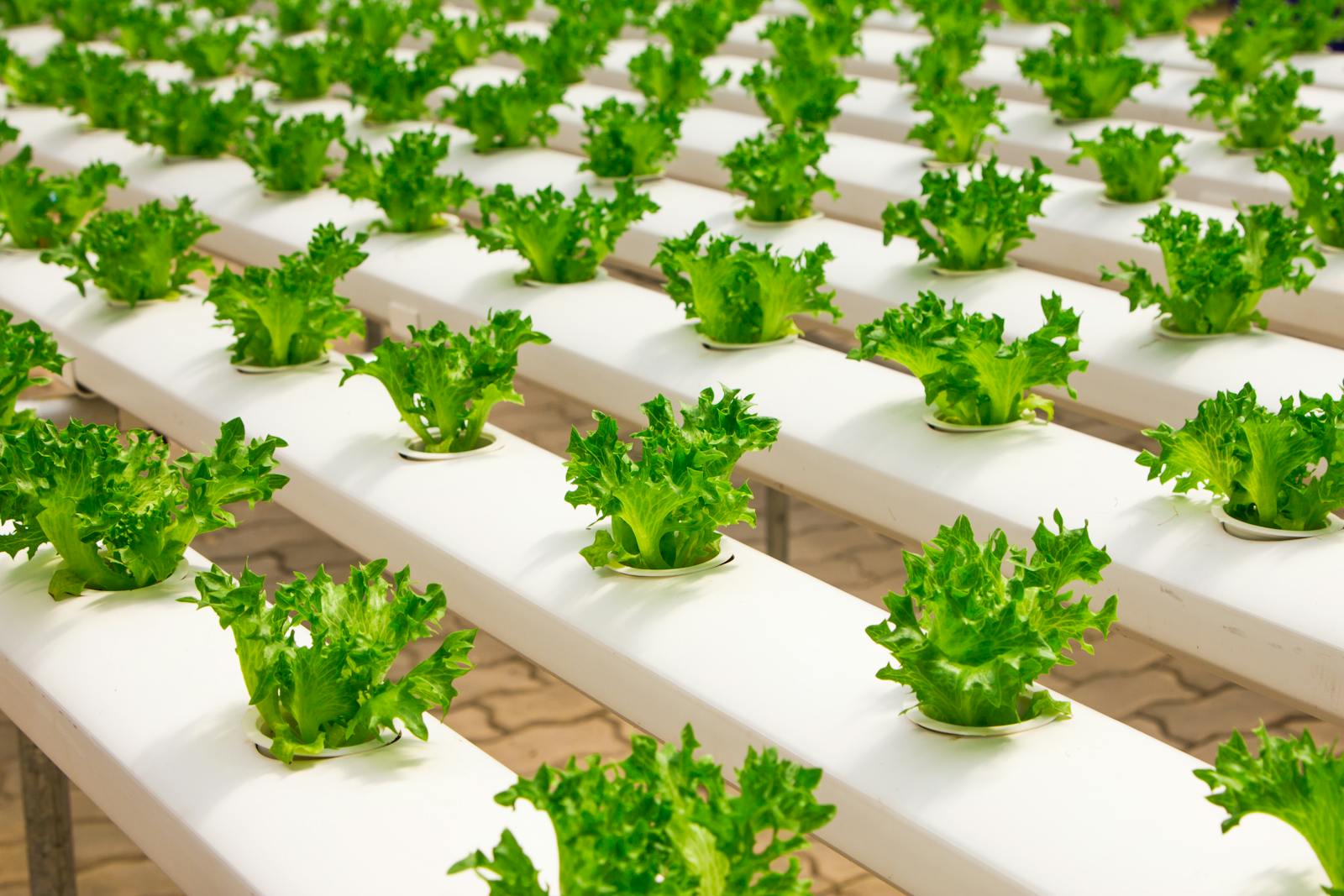
If you're planning a hydroponics farm in India, government subsidy schemes can cut your setup cost by 35-50% — but only if you understand which scheme fits your project size and apply the right way. This guide breaks down the National Horticulture Board (NHB) and Mission for Integrated Development of Horticulture (MIDH) subsidy routes, state-level top-ups, eligibility, documents, and the exact application process for 2026.
What Subsidy Schemes Exist for Hydroponics Farming in India?
Two central schemes cover hydroponics in India: the National Horticulture Board (NHB)'s hi-tech horticulture programme and the Mission for Integrated Development of Horticulture (MIDH)'s protected cultivation component. Both offer a credit-linked back-ended subsidy, which means you first take a term loan from a bank or NABARD-linked institution, build the project, and the subsidy is then credited against your loan after physical verification.
On top of these central schemes, several state horticulture departments run their own add-on subsidies — Maharashtra, for example, has separately supported hydroponic fodder units at up to 50% of project cost. Since state rules change often, always cross-check the live rate with your state horticulture mission office before budgeting.
NHB Subsidy for Hydroponics: Eligibility & Limits
NHB supports hydroponic and other protected-cultivation structures under its "Development of Commercial Horticulture" scheme, with the subsidy capped at around Rs 56 lakh per project and pegged to project cost norms fixed by NHB each year. The catch is scale: NHB's base protected-cultivation support requires a minimum area of 1,000 sq.m, while its hi-tech, credit-linked horticulture programme needs 2,500 sq.m or more.
A 2025 government circular raised the per-beneficiary ceiling for NHB and NHM/HMNEH-linked protected cultivation to 4,000 sq.m and above, after an earlier cut to 2,500 sq.m was rolled back — so a small hydroponics unit under roughly 1,000 sq.m generally won't qualify for NHB support and is better funded through PMEGP or Mudra instead.
Eligible applicants include individual farmers, Farmer Producer Organisations (FPOs), Self-Help Groups, cooperatives, partnership or proprietary firms, companies, and agro-industries corporations. A family counts as a single eligible unit, so you can't split one farm into multiple applications to claim the subsidy twice.
MIDH Protected Cultivation Subsidy: How It Applies to Hydroponics
MIDH's protected cultivation component funds greenhouses, shade-net houses, and hydroponic or soilless cultivation systems, typically at 50% of the cost norm in general-category states, with higher rates often available in hilly, North-Eastern, and scheduled areas. The maximum area eligible per beneficiary was restored to 4,000 sq.m in August 2025, after being temporarily reduced to 2,500 sq.m.
MIDH funds flow through your state horticulture department rather than directly from the centre, so the practical subsidy percentage, structure cost norms, and paperwork can vary meaningfully from state to state. Always get the current year's cost norm sheet from your district horticulture office before finalising your hydroponics vendor quote — subsidy is calculated on the official norm, not your actual invoice if it's higher.
State-Level Top-Ups: What to Check Locally
Beyond NHB and MIDH, several states layer their own incentives on top. Maharashtra has supported hydroponic fodder units at up to 50% subsidy; other states periodically run similar horticulture mission top-ups for protected cultivation and soilless farming. These state schemes change year to year and are usually announced through the state's Krishi/Horticulture department website or district Krishi Vigyan Kendra (KVK).
Before you assume a subsidy percentage, call your district horticulture officer or visit the state horticulture mission portal — the central scheme rate is only the floor, and a state top-up can meaningfully change your project math.
Cost of a Hydroponics Setup Before Subsidy
Subsidy is calculated as a percentage of project cost, so you need a realistic cost estimate first. Industry estimates for a one-acre hydroponic setup on owned land run around Rs 25-35 lakh in capital cost (structure, growing systems, and climate control, typically amortised over about 5 years), plus annual operating costs. Smaller setups scale down proportionally — a 1,000-2,000 sq.m polyhouse-based hydroponic unit, the size most eligible for NHB/MIDH support, generally costs several lakh rupees depending on the growing system and automation level.
For a detailed, India-specific breakdown of growing systems, structure costs, and recurring expenses by setup size, see our Hydroponic Farming Equipment & Setup Cost in India guide — use those numbers alongside the subsidy percentages above to work out your real out-of-pocket cost.
How to Apply for Hydroponics Farming Subsidy (Step-by-Step)
Applying for a credit-linked subsidy means getting your loan and paperwork in order before you break ground, not after. Here's the typical sequence:
- Register your business under Udyam (MSME) if you haven't already — most bank loan applications and subsidy forms ask for your Udyam number. See our Udyam Registration guide if you need the steps.
- Prepare a Detailed Project Report (DPR) covering land details, hydroponic system design, area in sq.m, total cost against NHB/state cost norms, and expected revenue.
- Apply for a term loan through a bank, NABARD-linked institution, or SIDBI, or route smaller units through PMEGP or Mudra if your project falls below NHB's area threshold.
- Submit the subsidy application through the NHB online portal (for NHB-eligible projects) or your state horticulture department (for MIDH-routed projects), attaching the DPR, loan sanction letter, and land documents.
- Complete construction and verification — an NHB or state horticulture official physically inspects the completed structure before the back-ended subsidy is released to your loan account.
Documents You'll Need
Keep these ready before you start the application, since incomplete paperwork is the most common reason applications stall: Udyam registration certificate, land ownership or lease deed, Detailed Project Report, bank loan sanction letter or term-sheet, vendor quotation for the hydroponic structure and equipment, identity and address proof, bank account details, and site photographs showing the proposed or completed structure.
Is the Subsidy Worth the Paperwork for a Small Setup?
For a hobby-scale or under-1,000-sq.m hydroponic unit, NHB and MIDH subsidy paperwork usually isn't worth the effort relative to the funding you'd actually unlock — a PMEGP or Mudra loan is faster and doesn't require hitting the area threshold. Once your project crosses roughly 1,000-2,500 sq.m, the 35-50% cost reduction from NHB/MIDH becomes large enough in absolute rupees to justify the DPR, loan process, and inspection timeline, which commonly takes several months end to end.
Before you commit to a scale and start chasing subsidy paperwork, it helps to see the full business picture — setup options, realistic earnings, and common mistakes — in our Hydroponic Farming Business in India: Cost & Profit Guide.
Frequently Asked Questions
How much subsidy can I get for a hydroponics farm in India?
Central schemes (NHB, MIDH) typically fund 35-50% of project cost for eligible protected-cultivation and hydroponic structures, with higher rates sometimes available in hilly or North-Eastern states. State governments occasionally add their own top-ups. The exact percentage depends on your location, project size, and the scheme you qualify for.
Is there a minimum area required to get a hydroponics subsidy?
Yes. NHB's base protected-cultivation support generally needs at least 1,000 sq.m, and its hi-tech credit-linked programme needs 2,500 sq.m or more, while the per-beneficiary ceiling across schemes was set at 4,000 sq.m and above as of August 2025. Smaller units typically don't qualify for NHB/MIDH subsidy.
Can I get both a PMEGP/Mudra loan and a hydroponics subsidy?
Generally no for the same component — NHB/MIDH subsidies are credit-linked to a specific term loan for the hydroponic structure, so they aren't meant to be stacked with PMEGP or Mudra on the identical project. Small setups below NHB's area threshold should apply through PMEGP or Mudra instead.
How long does it take to receive the subsidy after applying?
Because the subsidy is back-ended, it's released only after construction is complete and verified on-site, which commonly takes a few months from application to disbursement, depending on how quickly your DPR, loan approval, and the physical inspection are completed.
Where do I apply for hydroponics farming subsidy in India?
Apply through the NHB online portal for NHB-eligible projects, or through your state horticulture department/state horticulture mission office for MIDH-routed protected cultivation subsidy. Your district horticulture officer or local KVK can confirm which route and current cost norms apply to your project.
Ready to build the full business plan around your hydroponics setup — crop selection, costs, and realistic profit numbers — before you lock in your subsidy application? Grab our Hydroponics Farming Business in India ebook (Rs 399) for a complete, India-specific roadmap.
Sources: National Horticulture Board scheme guidelines, Ministry of Agriculture & Farmers Welfare circular on MIDH protected cultivation area limits (2025).