

EV Charging Station Revenue Model & ROI in India (2026)
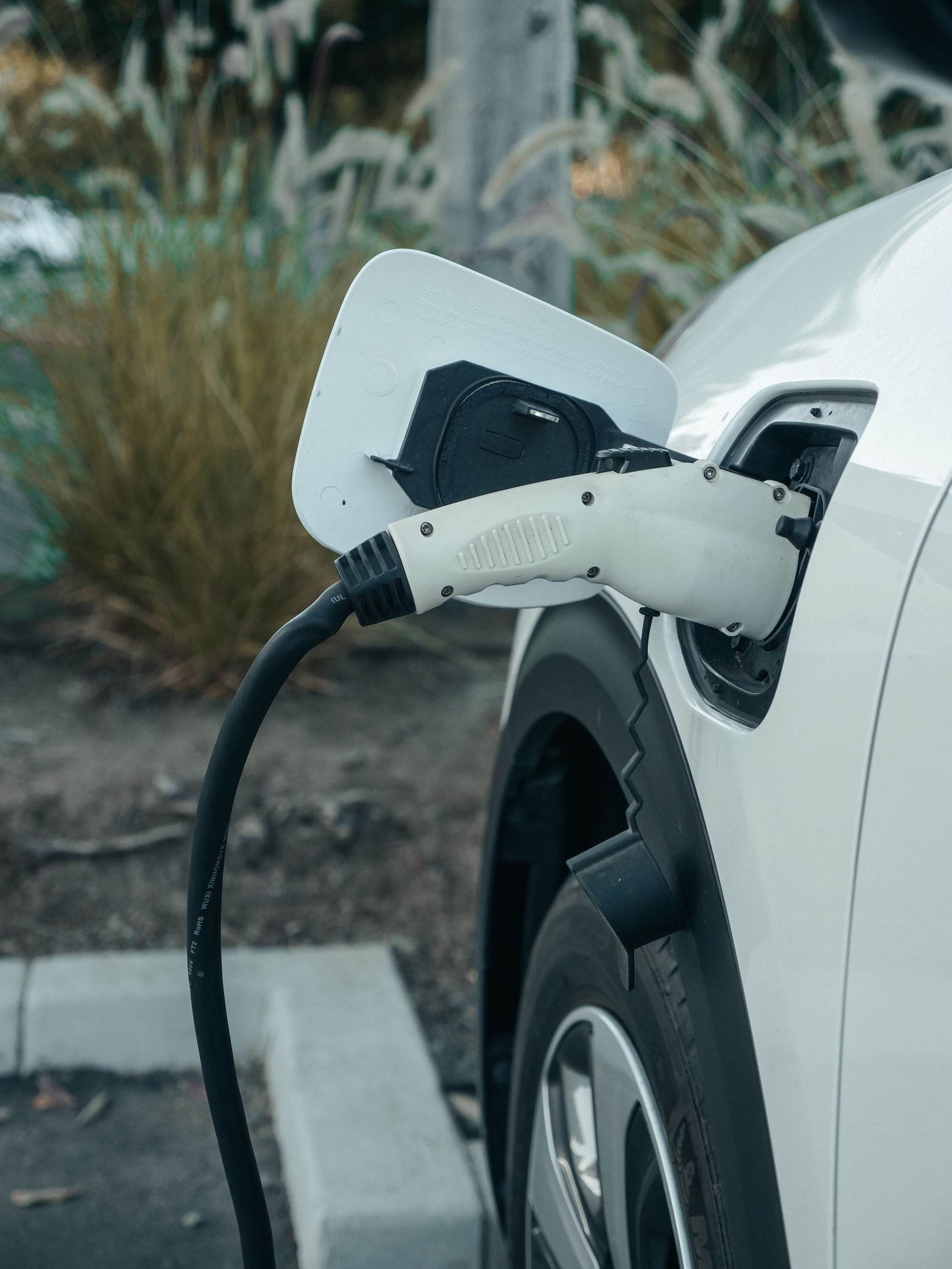
Buying a charger is the easy part — figuring out whether it will actually pay for itself is where most first-time EV charging station owners get stuck. This guide breaks down exactly how an EV charging station makes money in India, what a realistic cost structure looks like, and walks through a full worked ROI calculation so you can build your own numbers before you spend a rupee.
How Does an EV Charging Station Make Money in India?
An EV charging station earns money mainly from the margin between what it pays its DISCOM for electricity and what it charges drivers per unit, plus secondary income from subscriptions, B2B fleet contracts, and on-site advertising. Most independent operators in India rely on per-unit charging fees as their primary revenue stream, with 70-90% of monthly income typically coming from that single source.
- Per-unit charging fee: the core revenue line — customers pay Rs 12-18 per unit at standard AC/DC stations and Rs 18-25 per unit at premium or fast-charging locations, while you buy power at Rs 5-6.50 per unit under the EV tariff.
- Subscription or membership passes: a fixed monthly fee (commonly Rs 500-2,000) for unlimited or capped charging, popular in housing societies, offices, and gated communities with a known set of EV owners.
- B2B fleet and corporate contracts: bulk charging deals with cab aggregators, delivery fleets, or corporate EV programs, often billed monthly at a negotiated per-unit rate.
- Advertising and signage: brands increasingly pay for screen or signage space at charging bays, since drivers are a captive audience for 20-60 minutes.
- Idle or overstay fees: a small per-minute penalty charged once a vehicle is fully charged but still occupying the bay, which improves turnover at busy stations.
EV Charging Revenue Model: Pay-Per-Use vs Subscription vs Hybrid
Pay-per-use pricing suits public, high-footfall locations because your revenue scales directly with actual electricity sold, while flat subscriptions work better where you have a fixed, known group of EV owners charging predictably. Most successful stations in India eventually settle on a hybrid model once they understand their customer mix.
| Model | Best For | Typical Pricing |
|---|---|---|
| Pay-per-unit | Highways, malls, public parking | Rs 12-25 per unit |
| Flat subscription | Housing societies, offices | Rs 500-2,000 per month |
| Hybrid (base fee + per-unit) | Mixed public/resident sites | Rs 100-300 base + Rs 10-15/unit |
| B2B fleet contract | Cab aggregators, delivery fleets | Negotiated, often Rs 9-13/unit |
EV Charging Station Cost Structure: Fixed vs Variable Costs
Your biggest recurring cost is the electricity you buy from your DISCOM, but fixed costs like demand charges, maintenance, and platform fees quietly eat into margins if you don't plan for them. Understanding both is essential before you can calculate real ROI, not just gross revenue.
- Electricity purchase (variable): Rs 5-6.50 per unit under the concessional EV tariff category most DISCOMs now offer.
- DISCOM demand/fixed charges (fixed): Rs 2,000-6,000 per month depending on your sanctioned load, billed whether or not you sell electricity.
- Annual maintenance contract, AMC (fixed): Rs 1,500-4,000 per month per charger for servicing, cable replacement, and software updates.
- Network/platform fees (variable): 5-10% of revenue if you list on a third-party app or CPO aggregator for payments and discovery.
- Rent or land cost (fixed, if applicable): varies widely; many small operators use existing owned or leased space with no separate rent line.
- Insurance and compliance (fixed): a modest annual cost for equipment insurance and periodic safety audits under CEA norms.
EV Charging Station ROI Calculation: A Worked Example
For a single 30 kW DC fast charger costing around Rs 3.5 lakh to install, a realistic mid-utilisation scenario delivers a net monthly profit of roughly Rs 13,000, which works out to a payback period of about 27 months and a simple annual ROI of nearly 45%. Here's the full breakdown so you can substitute your own local numbers.
| Line Item | Monthly Figure |
|---|---|
| Units sold (80 kWh/day x 30 days) | 2,400 units |
| Revenue (Rs 15/unit average) | Rs 36,000 |
| Electricity cost (Rs 6/unit) | -Rs 14,400 |
| Gross margin | Rs 21,600 |
| DISCOM demand charge + AMC | -Rs 5,000 |
| Platform fee (7% of revenue) | -Rs 2,520 |
| Misc/insurance | -Rs 1,000 |
| Net monthly profit | Rs 13,080 |
| Payback period (on Rs 3.5 lakh capex) | ~27 months |
Run this same formula with your own DISCOM tariff, expected daily sessions, and local pricing to get a number that actually reflects your site — the structure of the calculation matters more than any single figure here, since tariffs and footfall vary a lot by state and location.
How Utilisation Rate Changes Your ROI
Utilisation — how much of your charger's available capacity actually gets used — is the single biggest lever on your ROI, more important than the price you charge per unit. A charger sitting idle earns nothing no matter how well you've priced it, so location and app visibility often matter more than the pricing decision itself.
| Utilisation Level | Approx. Daily Sessions | Payback Period |
|---|---|---|
| Low (new station, low visibility) | 1-2 sessions/day | 48-60+ months |
| Medium (listed on apps, decent location) | 3-5 sessions/day | 24-30 months |
| High (highway/mall, strong app ranking) | 7-10+ sessions/day | 12-18 months |
Most stations start in the low-to-medium band in their first 6-12 months and climb as local EV owners discover them, which is why realistic ROI projections should model a ramp-up period rather than assuming day-one demand.
How to Improve ROI on Your EV Charging Station
You can meaningfully improve ROI without spending more on hardware by focusing on utilisation, pricing structure, and revenue diversification rather than just adding more chargers. Small operational changes often move the payback needle faster than a bigger capex outlay.
- Get listed everywhere drivers look: Google Maps, PlugShare, and at least one CPO aggregator app — an unlisted charger is functionally invisible to most EV drivers.
- Add a second revenue stream: even a small subscription tier or a fleet contract alongside pay-per-use smooths out slow periods.
- Use time-of-day pricing: charge slightly more at peak hours and offer off-peak discounts to flatten demand and improve daily throughput.
- Negotiate your DISCOM tariff category: confirm you're actually on the concessional EV tariff, not a standard commercial rate, since the difference directly widens your margin.
- Right-size your charger mix: don't install an expensive DC fast charger at a low-traffic site — validate demand with AC chargers first, as covered in our EV Charging Station Business in India: Cost & Profit Guide.
- Compare franchise vs independent economics: a franchise's revenue-share cut can be worth it for faster utilisation, or it can just eat your margin — see our EV Charging Station Franchise vs Independent Setup comparison before deciding.
Frequently Asked Questions
What is a good ROI for an EV charging station in India?
A well-located EV charging station in India typically delivers a simple annual ROI of 30-45% once utilisation stabilises, with payback in 18-36 months. Highway and mall locations with steady traffic tend to hit the faster end of that range.
How much money can an EV charging station make per month in India?
A single well-located DC fast charger can generate roughly Rs 25,000-60,000 in gross monthly revenue once utilisation stabilises, with net profit after electricity, maintenance, and platform fees typically landing between Rs 10,000-25,000 per charger per month.
What is the profit margin on EV charging in India?
Most operators buy power from their DISCOM at Rs 5-6.50 per unit under the concessional EV tariff and sell it at Rs 12-18 per unit, giving a gross margin of roughly Rs 6-12 per unit before fixed costs like maintenance and platform fees.
Does charger utilisation rate really change my ROI that much?
Yes. Utilisation is the single biggest driver of ROI because your electricity margin only earns money when a vehicle is actually plugged in. Moving from 15% to 40% utilisation can cut your payback period roughly in half on the same charger.
Should I charge a flat subscription or pay-per-unit for EV charging?
Pay-per-unit pricing suits public, high-traffic locations because revenue scales with actual usage. Flat monthly subscriptions work better in housing societies or offices with a fixed number of known EV owners and predictable charging patterns.
Building an accurate revenue model before you buy a single charger is what separates operators who hit their payback timeline from those who don't. Our EV Charging Station Business ebook includes a full, editable revenue and ROI worksheet alongside DISCOM paperwork templates and site-selection checklists — for just Rs 399, it's a small price to get your numbers right before you commit lakhs to equipment.
Sources: Ministry of Power — EV Charging Infrastructure Guidelines; Press Information Bureau, Government of India — PM E-DRIVE EV Charging Infrastructure Scheme.