

EV Charging Station License & Approval Process in India
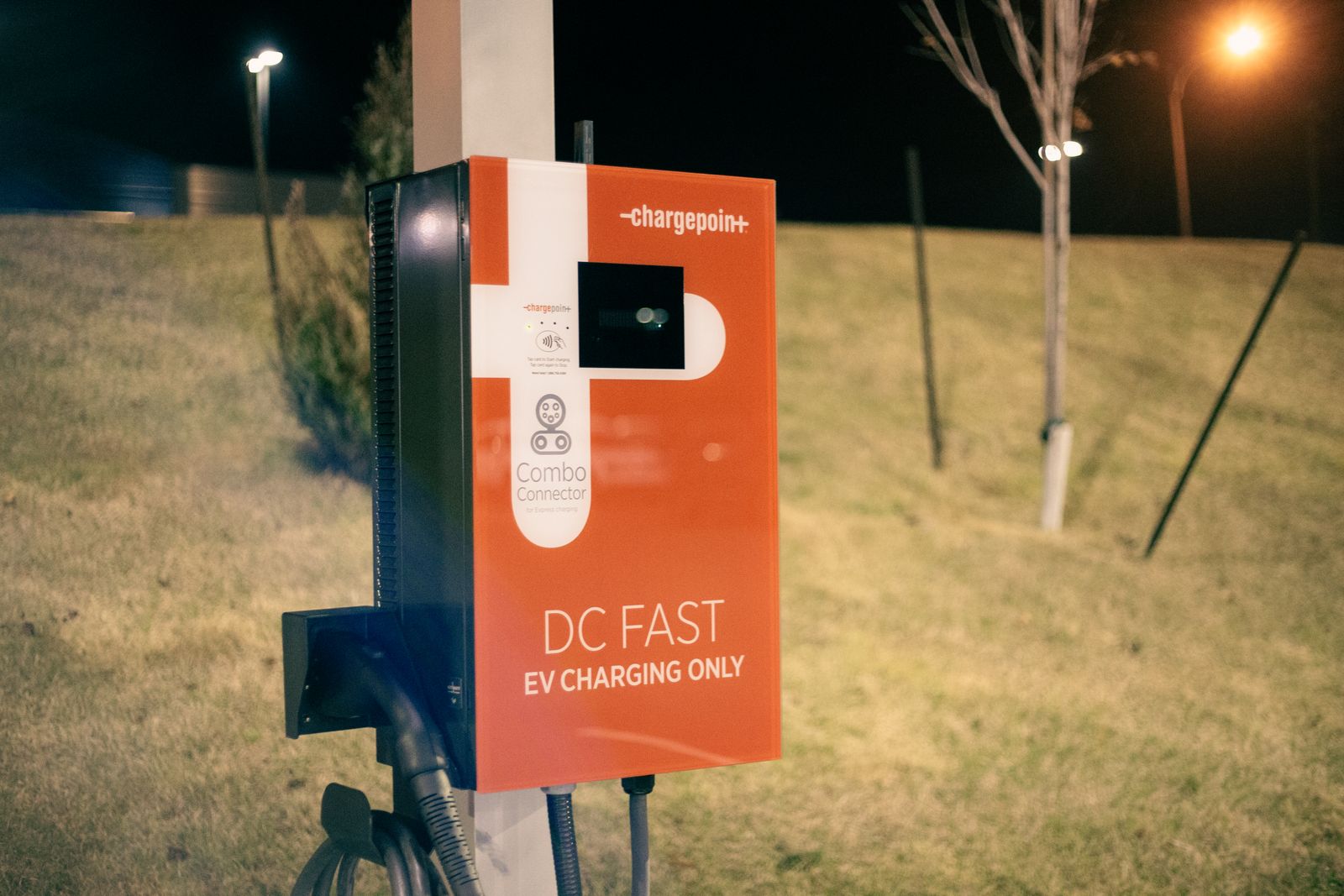
If you're planning to set up an EV charging station in India, the most common question is whether you need a special "EV license" before you start. The honest answer: no separate license exists for this business, but you still need a handful of approvals that people confuse with a license. This guide walks through exactly what the Ministry of Power actually requires, in the order you need to apply for it.
Do You Need a License to Start an EV Charging Station in India?
No. The Ministry of Power clarified in 2022 that setting up a public EV charging station is a "de-licensed activity" — anyone, including individuals, can operate one without a licence under the Electricity Act, 2003. What you do need is compliance with the Ministry's technical standards, a valid electricity connection from your local DISCOM, and standard business registrations like GST and Udyam.
This is different from a fuel pump or LPG dealership, both of which need sector-specific licenses. EV charging was deliberately kept open to encourage private investment, which is why franchise brands, apartment societies, and independent shop owners can all install chargers with roughly the same paperwork.
Step-by-Step Approval Process for an EV Charging Station
There isn't one single approval — it's a sequence of eight registrations and clearances. Most operators complete the full cycle, from paperwork to a running station, in 90 to 120 working days. Here's the order that avoids rework:
- Register your business entity — proprietorship, LLP, or Pvt Ltd through the MCA portal (10-15 working days for a company; a proprietorship can start the same day).
- Get GST registration — mandatory once turnover crosses Rs 20 lakh (Rs 10 lakh in NE and hill states). EV charging services fall under SAC code 998714, taxed at 18%, though the electricity component itself is exempt.
- Complete Udyam (MSME) registration — free, instant, and needed to access priority-sector loans, CGTMSE collateral-free credit up to Rs 5 crore, and most state subsidy schemes.
- Apply for a DISCOM electrical connection — this is the real gatekeeping step (details below).
- Buy BIS-certified chargers — only chargers certified to IS 17017 qualify for subsidies and pass inspection.
- Prepare the site — civil work, charger installation, signage, and accessibility ramps.
- Get municipal permissions — trade license, fire safety NOC, and building approval if you're making structural changes.
- Apply for subsidies — PM E-DRIVE and state-level capital subsidy schemes, submitted after commissioning.
DISCOM Approval: The Step That Actually Decides Your Timeline
Your local electricity distribution company (DISCOM) approval is the single most important step — without it, you legally cannot draw the power a commercial charger needs. This is also the step where most first-time applicants lose weeks to incomplete paperwork.
You'll need to submit your company registration certificate, property ownership or lease documents, a site layout plan showing charger placement, an electrical load calculation signed by a licensed electrical engineer, and your GST registration. Processing time varies by state and utility: Delhi's BSES and Tata Power typically take 15-20 working days, Maharashtra's MSEDCL 20-30 days, Karnataka's BESCOM 15-25 days, and Gujarat's UGVCL/DGVCL 15-20 days. States that run dedicated "EV cells" — Delhi, Gujarat, and Karnataka among them — process these applications 30-40% faster than the regular commercial-connection queue, so it's worth asking your DISCOM if one exists in your area.
Fire Safety NOC and Municipal Permissions
A fire safety NOC from your local fire department is mandatory before you can start operating, because EV charging stations fall under National Building Code fire-safety norms. Skipping this is the most common reason municipal inspectors shut down a newly-built station.
Practically, this means installing ABC-type fire extinguishers at every charging point, Class D extinguishers for lithium-battery fires, proper ventilation if the station is indoors or covered, an emergency power shutdown switch, and clear evacuation signage. Alongside the fire NOC, you'll also need a trade license (renewed annually, typically Rs 2,000-15,000 depending on your city) and a signage permit if you're putting up outdoor branding. Budget Rs 1,000-5,000 for the annual fire NOC renewal as well.
Land, Zoning, and Space Requirements
Your site needs commercial or mixed-use zoning and enough physical space for safe electrical clearance and accessibility. A single AC charger needs roughly 15-25 square metres, while a DC fast-charging hub with 3-5 chargers needs 100-200 square metres.
The Ministry of Power's guidelines flag seven priority location categories that get faster approvals and better subsidy access: highway corridors, commercial complexes, residential clusters, transport hubs, existing fuel stations, fleet depots, and government buildings. If you're deciding between a standalone plot and a shop-front location, leaning toward one of these categories generally speeds up both DISCOM and subsidy approval.
What the Full Approval Process Costs
Beyond the charger hardware itself (Bharat AC-001 units run around Rs 65,000, while a full CCS DC fast charger can cost Rs 14 lakh or more), the approval and compliance costs are relatively modest: GST and Udyam registration are free, a trade license runs Rs 2,000-15,000 a year, and the fire NOC costs Rs 1,000-5,000 annually. The bigger cost driver is usually the DISCOM transformer and connection charges, which can run into several lakhs depending on your sanctioned load.
On subsidies: the PM E-DRIVE scheme covers 30-50% of charger costs in many cases, and several states stack their own incentives on top — Gujarat offers up to Rs 5 lakh per DC charger, Karnataka gives Rs 1 lakh per DC charger for its first 100 stations, and Maharashtra offers a 25% capital subsidy plus demand-charge exemption. These are claimed only after your station is commissioned and BIS-certified, so keep every registration document from the steps above.
Documents Checklist
Keep these ready before you start applying, so you're not scrambling mid-process: PAN and TAN, GST certificate, company incorporation certificate (MOA/AOA if it's a company), property ownership or lease agreement, a site layout plan, an electrical load calculation from a licensed engineer, BIS charger certificates, and bank account details for subsidy disbursement. Having all of these scanned and ready before your first DISCOM application can shave weeks off your timeline.
For the full business plan — investment breakup, revenue model, and which charger type suits your budget — our EV Charging Station Business in India: Cost & Profit Guide covers the numbers behind this approval process in detail. And since Udyam registration is one of the eight steps above, our Udyam Registration for Small Business in India guide walks through that specific step.
Is This Approval Process Worth the Effort?
For most first-time entrepreneurs, yes — the paperwork is heavier than opening a small shop but far lighter than a licensed business like a petrol pump or liquor shop, and it's spread across free or low-cost government portals rather than expensive intermediaries. The real work is sequencing it correctly and not letting DISCOM approval sit at the back of the queue, since it's the longest step.
If you want the complete step-by-step business plan — including a location-selection framework, revenue projections, and franchise-vs-independent comparison — our ebook How to Start an EV Charging Station Business in India (Rs 399) walks through the entire setup, approvals included, in one place.
Frequently Asked Questions
Do I need a separate license to open an EV charging station in India?
No. The Ministry of Power's 2022 guidelines declared EV charging a de-licensed activity under the Electricity Act, 2003. You still need a DISCOM electrical connection, GST and Udyam registration, and municipal clearances like a trade license and fire NOC, but no dedicated "EV charging license" exists.
How long does DISCOM approval take for an EV charging station?
It typically takes 15-30 working days depending on your state and utility — Delhi and Gujarat tend to be faster (15-20 days) while Maharashtra can take up to 30 days. States with dedicated EV cells generally process applications 30-40% faster than standard commercial connections.
Is a fire NOC mandatory for EV charging stations?
Yes. A fire safety NOC from your local fire department is mandatory before operations begin, since charging stations must meet National Building Code fire-safety norms, including fire extinguishers, ventilation, and emergency shutdown systems. Annual renewal typically costs Rs 1,000-5,000.
Do I need GST registration for an EV charging station business?
GST registration is mandatory once your annual turnover crosses Rs 20 lakh (Rs 10 lakh in North-Eastern and hill states). EV charging services are taxed at 18% under SAC code 998714, though the electricity portion itself is GST-exempt.
How much does it cost to get all the approvals for an EV charging station?
GST and Udyam registration are free. A municipal trade license costs roughly Rs 2,000-15,000 annually, and a fire NOC Rs 1,000-5,000 annually. The largest cost is usually the DISCOM transformer and connection charge, which varies by sanctioned electrical load.
Sources: Ministry of Power – Consolidated Guidelines & Standards for Charging Infrastructure for EVs (2022) and Udyam Registration Portal, Government of India.