

Battery Swapping Station Business Plan in India: Cost & Profit
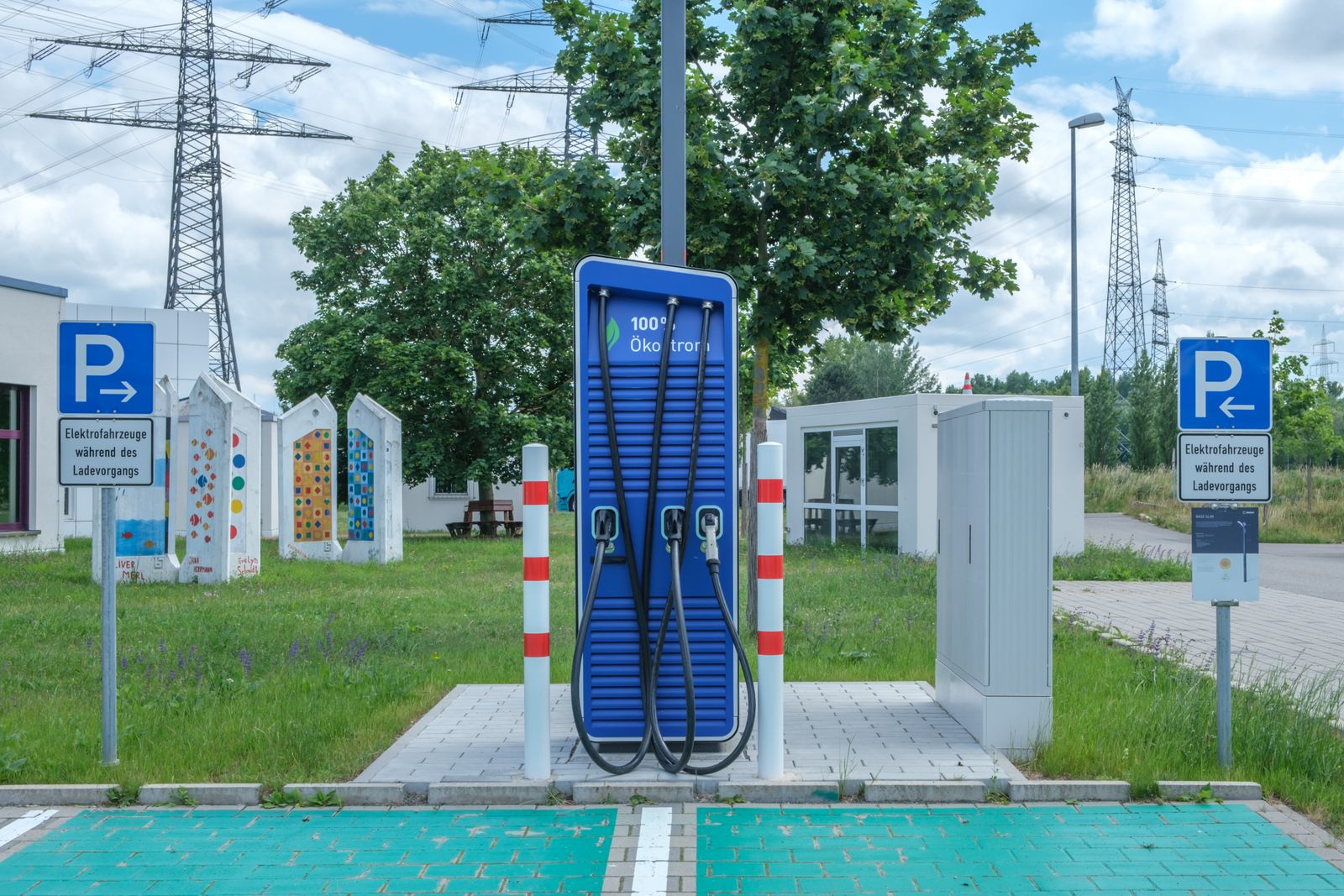
A battery swapping station lets EV riders exchange a discharged battery for a fully charged one in under five minutes instead of waiting hours to plug in. In India, this model has grown fastest around electric two-wheelers used for delivery and ride-hailing, where vehicle downtime directly cuts into daily earnings. For an entrepreneur, it means a different cost and revenue structure than a plug-in charging point — more upfront investment in battery inventory, but faster, more predictable per-swap income.
What Is a Battery Swapping Station Business?
A battery swapping station business owns a fleet of EV batteries, keeps them charged at a kiosk or depot, and leases fully charged units to riders in exchange for their depleted ones. The operator — not the vehicle owner — owns the battery, which is the key difference from a charging station. You earn from usage (per kWh or per swap), not from selling electricity to someone else's battery.
Companies like Sun Mobility, Battery Smart, Ola Electric, Lithion Power, and ChargeUp have built swapping networks across Indian cities, mostly serving two- and three-wheeler delivery fleets, e-rickshaws, and daily-commute riders. As a small operator, you can run one or two swap points under a franchise, or independently serve a local fleet of electric autos or delivery two-wheelers — a model closer in capital size to our EV charging station business guide, but with a different revenue engine.
Battery Swapping Station Setup Cost in India
Setup cost depends heavily on scale and vehicle type. A basic two-wheeler swap kiosk with around 20 battery slots, manual swapping, and no automation can be set up for roughly Rs 1 lakh excluding the batteries themselves, according to industry estimates from swapping operators like Zypp Electric. Automated, car-focused battery swapping stations with multiple large battery packs and robotic handling can cost up to Rs 3.7 crore.
Typical cost heads for a two-wheeler swap point include:
- Battery inventory: the single largest cost — operators typically hold 30–70% more batteries than are in active circulation, to cover charging cycles and demand spikes
- Bulk chargers and racking: for charging multiple batteries simultaneously at one location
- Kiosk structure and land/parking rent: concentrating batteries at a central point reduces space needs versus individual home charging
- Software and IoT: swap tracking, battery health monitoring, and payment systems
- Staffing: an attendant for manual swap points; automated ones need far less
Swap time itself is typically 2 to 5 minutes, compared with 1 to 1.5 hours for Level 2 public charging — this speed is the core selling point to fleet riders who can't afford downtime.
How Battery Swapping Stations Make Money
Battery swapping operators mainly charge riders per kWh of energy consumed, similar to a fuel or electricity bill rather than a flat rental fee. Current pricing in the Indian market runs around Rs 34 per kWh, with operators testing ranges between roughly Rs 20 and Rs 40 per kWh depending on location and competition.
Because the operator owns the battery and bears its degradation cost, the real margin comes from the spread between what you pay for grid electricity (often Rs 6–9/unit for commercial connections) and what you charge riders per kWh, minus battery depreciation, land rent, and staffing. Many operators also run subscription plans for fleet customers — a fixed monthly fee for unlimited or capped swaps — which gives more predictable cash flow than per-swap billing and suits delivery companies that want budget certainty.
Daily usage intensity decides which model — swapping or home/plug-in charging — is cheaper for a rider. Industry analysis shows battery swapping becomes the more economical option above roughly 120–140 km of daily use, while point charging remains cheaper below about 100 km/day. This is exactly why swapping has taken off with delivery riders and e-rickshaw drivers clocking 100+ km daily, and why your target customer base matters more here than for a general charging station.
PM E-DRIVE Subsidy for Battery Swapping Stations
Battery swapping infrastructure is explicitly covered under the central government's PM E-DRIVE scheme, which replaced the earlier FAME subsidy structure. Under the operational guidelines issued by the Ministry of Heavy Industries, battery swapping stations are eligible for an 80% subsidy on infrastructure costs, regardless of where they're deployed, as part of the scheme's broader push to fund over 72,000 public EV charging points nationwide with a total outlay of about Rs 2,000 crore.
This is a significantly steeper subsidy than what standard plug-in charging stations typically receive, making swapping infrastructure one of the more capital-efficient ways to enter India's EV ecosystem right now. You'll need Udyam and GST registration to apply, and documentation of the specific swap equipment and location — check current eligibility and application details on the official PM E-DRIVE scheme notification before finalizing your budget. For state-level incentives layered on top of this, see our guide to EV charging station subsidy schemes in India.
GST and Registration Rules for Battery Swapping Businesses
GST treatment of batteries is one of the trickiest parts of this business to plan around. A battery sold pre-fitted inside an EV attracts the concessional 5% GST rate. A battery sold or supplied separately — which is exactly what a swapping operator does when leasing battery packs — attracts the standard 18% GST rate. Since you're required to hold significantly more batteries than are in use at any time, this tax gap materially affects your working capital.
A few states, including Andhra Pradesh, Delhi, and Odisha, have offered partial or full state GST (SGST) reimbursement on advanced swapping batteries to soften this impact — these schemes change frequently, so verify current status with your state's industries department before budgeting around them. You'll also need standard business registrations: Udyam registration for MSME benefits, GST registration, and compliance with evolving Bureau of Indian Standards (BIS) battery-swapping safety norms, which the BIS committee ETD-51 has been developing since 2020. The government's draft national framework for this sector is detailed in NITI Aayog's battery swapping policy report, a useful read before you lock in your business model.
Battery Swapping vs EV Charging Station: Which Should You Start?
Choose battery swapping if your target customers are high-mileage commercial riders — delivery two-wheelers, e-rickshaws, or shared-mobility fleets doing 100+ km a day — where minutes of downtime cost real money. Choose a standard charging station if you're serving private vehicle owners, four-wheelers, or lower-mileage riders who can plan around a charging stop at home, work, or a mall.
Capital needs differ too: swapping demands heavier upfront investment in battery stock (which depreciates and needs periodic replacement) but earns faster per-visit revenue and benefits from the steeper PM E-DRIVE subsidy. A standard charging station has lower battery-related risk but longer dwell times and typically lower subsidy rates. Many successful operators start with plug-in charging and add a swap point later once they understand local demand — our EV charging station business guide walks through that foundational model in detail, including ROI timelines comparable to what you'd expect from swapping.
Who Should Start This Business and Where
This model suits entrepreneurs who can either partner with an established swapping network (Battery Smart, Sun Mobility, and others run franchise-style partner-operator programs) or independently serve a captive fleet — for example, a local food delivery hub, e-rickshaw stand, or last-mile logistics depot. The best locations are high-footfall two- and three-wheeler corridors: near delivery dark stores, e-rickshaw stands, auto stands, residential clusters with high EV adoption, and transit hubs. Partnering with a fleet operator before you build removes a lot of demand uncertainty, since you'll have guaranteed daily swap volume from day one rather than relying on walk-in traffic.
Frequently Asked Questions
How much does it cost to start a battery swapping station in India?
A basic two-wheeler swap kiosk with around 20 slots and manual operation can be set up for roughly Rs 1 lakh excluding battery inventory. Automated, car-focused stations with robotic swapping can cost up to Rs 3.7 crore. Battery stock itself, not infrastructure, is usually the largest ongoing cost.
Is battery swapping more profitable than EV charging stations?
It depends on your customer base. Swapping is more profitable for high-mileage commercial fleets doing 100+ km daily, thanks to faster turnaround and a steeper 80% PM E-DRIVE subsidy. For private vehicle owners with lower daily mileage, a standard charging station is usually the simpler, lower-risk option.
What subsidy is available for battery swapping stations in India?
Under the PM E-DRIVE scheme, battery swapping stations qualify for an 80% subsidy on infrastructure costs regardless of location, part of a roughly Rs 2,000 crore national outlay. Some states also offer separate GST reimbursement on swapping batteries, so check both central and state schemes before budgeting.
What GST rate applies to batteries used in swapping stations?
Batteries fitted inside a vehicle at sale attract 5% GST, but batteries supplied separately — which is how swapping operators lease them — attract 18% GST. Since operators hold 30–70% more batteries than are in active use, this higher rate significantly affects working capital planning.
Who are the typical customers for a battery swapping station?
Most swapping demand comes from commercial riders: food and grocery delivery two-wheelers, e-rickshaw and auto drivers, and shared-mobility fleets covering 100+ km daily. Private EV owners with lower daily mileage usually prefer home or point charging instead, since swapping's main advantage is speed, not cost, at low usage levels.
If you're ready to put real numbers behind this decision — detailed cost sheets, break-even timelines, and a step-by-step setup plan for EV charging and swapping infrastructure in India — our EV Charging Station Business ebook walks you through the full plan for just Rs 399.